









Penn State Huck Institutes of The Life Sciences Selects MemVerge
To cut genome sequencing processes for plant DNA analytics and help develop more sustainable plant products
This is a Press Release edited by StorageNewsletter.com on September 27, 2021 at 1:30 pmPenn State Huck Institutes of the Life Sciences has selected MemVerge Memory Machine big memory virtualization software to speed the genomic analytic processing for plant DNA research to develop more sustainable plant products.
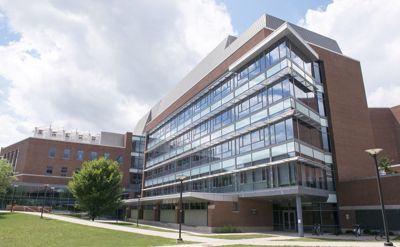
At the forefront of R&D, Penn State Huck Institutes of the Life Sciences seeks to find solutions to pressing health and agriculture issues and their interaction with the environment. To achieve this, Penn State has become a go-to place for analyzing and accessing dispersed and large data in an effort to facilitate transformative life sciences discoveries by enabling path-breaking research, simulating innovation, and inspiring work in a collaborative environment.
Among its research projects is the analysis of plant DNA sequencing to identify opportunities to develop plants – from cocoa to apples – that can better sustain droughts, diseases and achieve longer transportation and shelf life, which is important to improve food supplies for third world nations. To achieve this research, the bioscientists at Penn State must analyze genome sequences that are even more complex than human genomes. Using traditional analytic methods, it could take weeks to process specific workloads and running jobs can often fail as data is much larger than the available compute memory.
Using Memory Machine memory virtualization software, Penn State has been able to accelerate discovery for its plant DNA research. By deploying a pool of software-defined DRAM and persistent memory (PMem), the life sciences institute has been able to speed the completion of their analytic pipeline and run jobs that it hasn’t been able to process before.
“MemVerge Memory Machine has been a game-changing technology for our plant DNA research,” said Claude dePamphilis, director of the center for parasitic and carnivorous plants, Penn State Huck Institutes of the Life Sciences. “The innovative technology helps us achieve DRAM-like performance from a mixed memory configuration. This has not only dramatically increased our time to research findings but has also saved us considerable budget in the process.“
Memory Machine software provided scientists at Penn State with transparent access to virtualized DRAM and PMem memory and ZeroIO snapshot technology. The in-memory snapshot technology allows researchers to roll back workloads to specific points in time for adaptive analyses and ensure resilience with lightning-fast crash recovery. This allows new genomic testing to continue without downtime.
“The genomic sequencing use case at Penn State is an exceptional example of how Big Memory technology can overcome the barriers presented by the ‘data bigger than memory’ problem,” said Charles Fan, CEO, MemVerge. “By eliminating the boundaries of traditional compute infrastructure and creating a memory fabric that can cost-effectively support the memory-intensive processes applications such as genomics analytics require, we are changing the landscape of what is possible. Memory is no longer a limitation for applications such as genomics sequencing, in-memory databases and other data-intensive usages such as animation and VFX. We’re opening the door for increased innovation, landmark research findings and better health outcomes.“
Memory Machine makes 100% use of available memory capacity while providing new operational capabilities to memory-centric workloads. It answers the need for a modern in-memory computing model to support emerging applications that require real-time analytics, true in-memory computing, and fault-tolerant memory persistence to speed massive processing workloads.








 Subscribe to our free daily newsletter