









HubStor Cloud Data Management With Identity Intelligence
Enable enterprises to use Microsoft Azure Active Directory's extended identity attributes in policies that control storage, preservation, and security of unstructured data.
This is a Press Release edited by StorageNewsletter.com on March 1, 2019 at 2:16 pm From Elizabeth Lam, HubStor blog
HubStor, Inc. leverages Microsoft Azure Active Directory to help automate intelligent data management for secondary-storage use cases that can increase data protection and lower corporate risk.
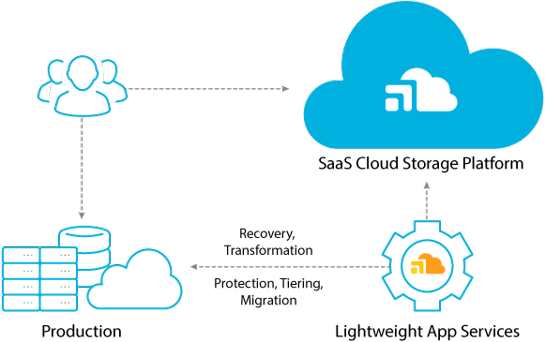
The company announces cloud data management capabilities that enable enterprises to use Microsoft Azure Active Directory’s extended identity attributes in policies that control the storage, preservation, and security of unstructured data.
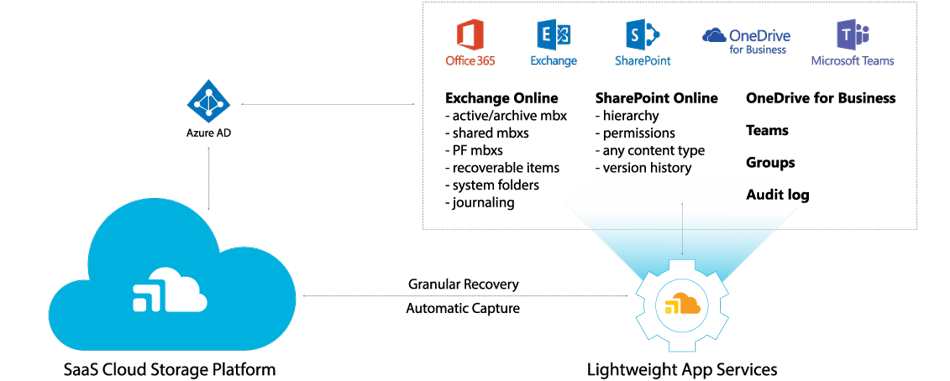
The company’s cloud data management platform uniquely protects unstructured data workloads while incorporating a query-optimized mapping of data access rights, users, and group memberships. Now with extended identity metadata correlated into the firm’s intelligent policy engine, enterprises can streamline their management of critical information in the following ways:
Click to enlarge
-
Storage: Automated enrollment into secondary storage – The company can dynamically detect when a user leaves the organization and automatically enroll their Office 365 mailbox and OneDrive for Business site in a backup/archiving policy that captures the data into Azure-based secondary storage, enabling IT teams to simplify their processes for meeting legal requirements.
-
Preservation: Retention or legal hold automation – the company can dynamically set retention periods on a user’s data in secondary storage when, for example, the user joins a department or leaves the organization.
Click to enlarge

-
Security: Role-based access control for data streams – the solution can restrict access permissions to global data streams so that privileged users can search, access, or recover information relating to precise sets of users only. The ability to automate a logical separation within a single data stream for role-based access control is gaining traction in the following scenarios:
-
-
RBAC for email journaling – Storage rules in HubStor leverage the ‘Organizational Unit’ attribute to control access to journaled messages so that legal discovery users can conduct searches, apply holds, and perform exports on email custodians within their particular domain only, for example.
-
RBAC for Office 365 audit log retention – Similarly, HubStor’s storage rules can leverage the department attribute to create a logical separation of audit log records so that particular IT and security administrators can review and produce Office 365 event history for users within specific departments or office locations only.
-
-
“Enhancing HubStor’s integration with Azure Active Directory and the HubStor policy engine to incorporate identity metadata unlocks never-before-seen data management capabilities in the IT industry,” said Brad Janes, VP, product management, HubStor. “We listen to the needs of our customers closely as we build out the HubStor cloud data management platform.“








 Subscribe to our free daily newsletter