








SANBlaze: VirtuaLUN Storage Emulation Software With NVMe Initiator Support
And 32Gb FC, 40Gb FCoE /iSCSI, Quarch controller integration and VMware VVOL support
This is a Press Release edited by StorageNewsletter.com on February 18, 2016 at 2:49 pmSANBlaze Technology, Inc. released the latest version of its VirtuaLUN storage emulation software.
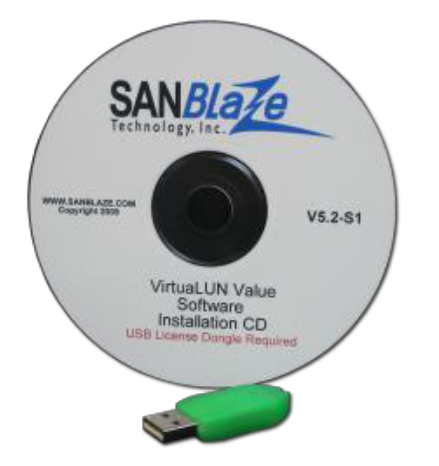 Features include:
- initiator support for NVM Express (NVMe) drive testing;
- support for 32Gb FC cards, increasing the performance of the SANBlaze solution for line rate 32Gb FC testing;
- Emulex 40Gb FCoE/iSCSI support; and
- added support for Quarch modules to allow support for drive pulls and low level signal glitching.
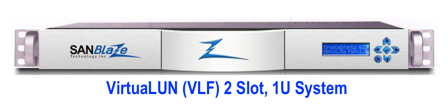 VirtuaLUN NVMe Initiator is the key piece of test equipment for anyone needing to test NVMe target devices. NVMe was created to deliver the potential of Non-Volatile Memory in enterprise and client platforms for PCIe based SSDs. The VirtuaLUN feature set provides a unique set of functions applicable in all aspects of a product lifecycle; from development to design validation to test and QA. The ability to drive NVMe targets with a range of configurable attributes provides engineers with a flexible, scalable tool to simulate real disk and memory access environments and issues. Development, qualification and certification test cycles can be automated, reducing time and surfacing issues and errors.
“Increased adoption of the Non-Volatile Memory express NVMe specification and NVMe devices present a perfect use case for the SANBlaze emulation system. SANBlaze’s high performance initiator emulation coupled with full support for NVMe devices make SANBlaze an invaluable tool for NVMe engineering qualification and production test. SANBlaze is currently working with leading NVMe device vendors providing multi-path, multiple namespace and reservation verification compliance testing,” said Vince Asbridge, director, software engineering, SANBlaze.
The company has added support for Quarch modules to allow support for drive pulls and low level signal glitching. Modules can be managed via Ethernet or connected directly to a firm’s system via USB. They can then be accessed via a GUI as well as by using a REST API to allow for scripting and automation.
The product is available.







 Subscribe to our free daily newsletter