









SiliconSystems 2.5-Inch SSDs now at 64GB With 50MBs Read/Write Speeds
An with SATA or PATA interface
This is a Press Release edited by StorageNewsletter.com on September 22, 2008 at 3:50 pmSiliconSystems, Inc. announced its new SiliconDrive 2.5-inch Serial ATA (SATA) and Parallel ATA (PATA) products that feature faster read/write performance and increased capacities. The new solid-state drives (SSDs), designated SiliconDrive EP, feature read/write speeds up to 50 megabytes per second (MBps) and are shipping now in capacities up to 64 gigabyte (GB). The new SiliconDrive EP family of SSDs is an optimal hard drive replacement in a wide range of embedded computing applications that demand high performance, high capacity and industry-leading reliability for a lower total cost of storage ownership.
“SiliconSystems’ new SiliconDrive EP SATA and PATA drives feature higher speeds and increased capacities to exceed the demands of a broad range of embedded computing applications,” said Gary Drossel, vice president of product planning at SiliconSystems. “With these products, SiliconSystems is responding to rapidly increasing customer demand for higher performance and higher capacity versions of SiliconSystems’ award-winning SiliconDrive products.”
The new SiliconDrive EP 2.5-inch SATA and PATA family of products are excellent drop-in replacements for hard drives in critical storage applications. The read/write speeds and capacity of SiliconDrive EP SSDs make them ideal storage solutions for the latest generation of embedded computing applications such as multiple source video streaming, video surveillance, television broadcast video routers, and military and aerospace flight data recorders.
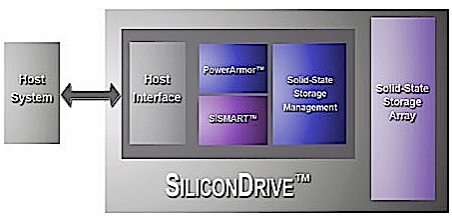
Every SiliconDrive EP 2.5-inch SATA and PATA product is integrated with SiliconSystems’ proven advanced storage technology platform, which includes the company’s patented PowerArmor and SiSMART technologies that address critical OEM design considerations such as the elimination of drive corruption due to power anomalies and the ability to forecast the useable life of a SiliconDrive in an OEM’s end-application environment.







 Subscribe to our free daily newsletter